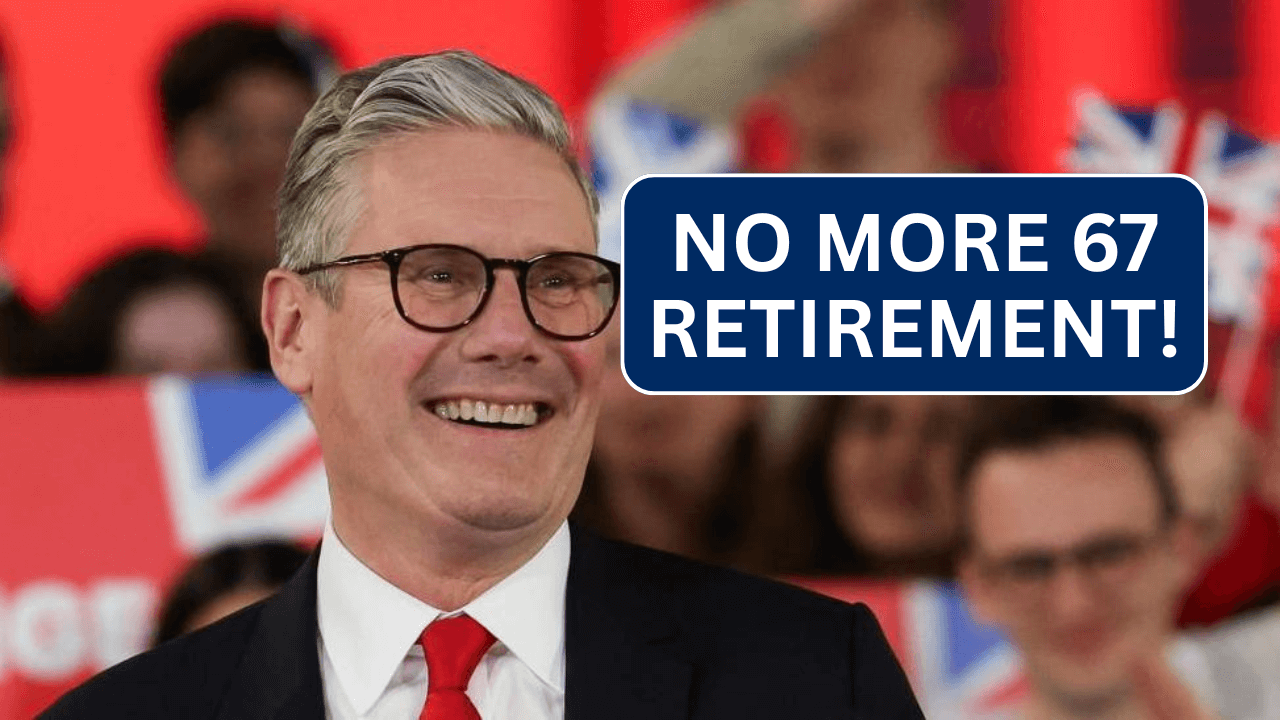
For decades, many people in the United Kingdom have planned their retirement around a familiar milestone: the age of 67. It has long been seen as the point when working life slows down and a new chapter begins, supported by the State Pension.
However, recent headlines suggesting a shift away from retiring at 67 have sparked widespread attention. The idea that the State Pension age could change again raises important questions for millions of workers and future retirees.
Is retirement at 67 really coming to an end? What changes are being introduced? And how could this affect your long-term plans?
In this article, we’ll break everything down in a clear and practical way so you can understand what’s happening and what it means for your future.
What the new State Pension age announcement means
The suggestion that retirement at 67 is being scrapped can sound dramatic, but it’s important to understand the context.
The UK government regularly reviews the State Pension age to reflect:
Increasing life expectancy
Changes in the workforce
Long-term sustainability of the pension system
These reviews are overseen by the Department for Work and Pensions, which is responsible for pensions and benefits.
Rather than a sudden change, adjustments to the pension age are usually gradual and planned years in advance.
Understanding the State Pension system
The State Pension is a regular payment from the government that you can claim once you reach the official pension age.
Your entitlement depends on:
Your National Insurance contributions
The number of qualifying years you have built up
It provides a basic level of income in retirement, although many people also rely on private or workplace pensions.
Current State Pension age in the UK
At present, the State Pension age is:
66 for both men and women
This is already scheduled to rise:
To 67 between 2026 and 2028
This means that many people are already expecting to retire later than previous generations.
Why the pension age is increasing
There are several reasons why the government is reviewing and increasing the pension age.
Longer life expectancy
People are living longer than ever before, which means pensions need to last longer.
Financial sustainability
Raising the pension age helps ensure that the system remains affordable for future generations.
Changing workforce patterns
People are staying in work for longer and retiring later than in the past.
These factors all contribute to ongoing discussions about future increases.
Could the pension age go beyond 67
This is where much of the current attention comes from.
There have been discussions about increasing the State Pension age further, potentially to:
68
Or even higher in the long term
However, these changes are not immediate and would be introduced gradually over time.
Is retirement at 67 really ending
The phrase “goodbye to retiring at 67” can be misleading.
In reality:
67 is still part of the current planned schedule
Any further increases would affect younger generations
There is no sudden change for those close to retirement
So while the pension age may rise in the future, it is not being abruptly removed.
Who will be affected the most
Future changes are most likely to affect:
Younger workers
People with many years until retirement
Those planning long-term financial strategies
If you are already nearing retirement age, changes are less likely to impact you directly.
How changes are introduced
The government does not make sudden changes to the pension age.
Instead, adjustments are:
Announced well in advance
Phased in over several years
Supported by public consultations
This gives people time to plan and adjust.
What this means for retirement planning
Even the possibility of a higher pension age highlights the importance of planning ahead.
You may need to consider:
Working for longer
Saving more for retirement
Reviewing your financial goals
Relying solely on the State Pension may not be enough for a comfortable retirement.
The role of private pensions
Private and workplace pensions are becoming increasingly important.
They can:
Provide additional income
Offer flexibility in retirement
Help bridge the gap if the pension age rises
Building up savings early can make a big difference later on.
How to check your State Pension age
To stay informed, it’s important to know your personal pension age.
You can check:
Your expected retirement age
Your projected pension amount
Your contribution record
This helps you plan more effectively.
Common misunderstandings
There are several myths surrounding this topic.
Some people believe:
The pension age has suddenly changed overnight
Everyone will now retire much later
Current pensioners will be affected
In reality:
Changes are gradual
Not everyone is affected
Current pensioners are not impacted
Why headlines can be alarming
Headlines often use strong language to attract attention.
Phrases like “goodbye to retiring at 67” can make it seem like an immediate change, even when the reality is more measured.
Understanding the full context helps avoid unnecessary concern.
How this affects everyday life
For most people, there is no immediate change to daily life.
However, it does encourage:
Long-term financial planning
Greater awareness of retirement timelines
Consideration of future savings
These are all positive steps.
The importance of staying informed
Pension rules can evolve over time, so it’s important to keep up with official updates.
You should:
Follow government announcements
Review your pension regularly
Stay aware of any policy changes
This ensures you are always prepared.
How families can support planning
Families can help by:
Discussing retirement plans
Sharing financial advice
Supporting long-term decisions
Planning together can make the process easier.
Looking ahead
The UK pension system will continue to adapt to changing economic and demographic conditions.
Future updates may include:
Further increases in pension age
Changes to contribution requirements
Enhanced support systems
While change can feel uncertain, it is part of maintaining a sustainable system.
Key points to remember
The State Pension age is currently rising to 67
Future increases are possible but not immediate
Changes are gradual and planned in advance
Younger generations are most affected
Planning ahead is essential
Final thoughts
The idea of saying goodbye to retiring at 67 may sound dramatic, but the reality is far more measured. The UK government is not making sudden changes—instead, it is gradually adjusting the system to reflect longer life expectancy and economic realities.
For most people, there is time to adapt and plan. By staying informed, reviewing your financial situation and preparing for the future, you can approach retirement with confidence—no matter what age it begins.